Bill Reminders and Budgeting in 2027: What to Expect
2026 changed how Australian households handle bills. Here is what to expect in 2027 for bill reminders, budgeting, set-aside planning, shared households and price-rise alerts.
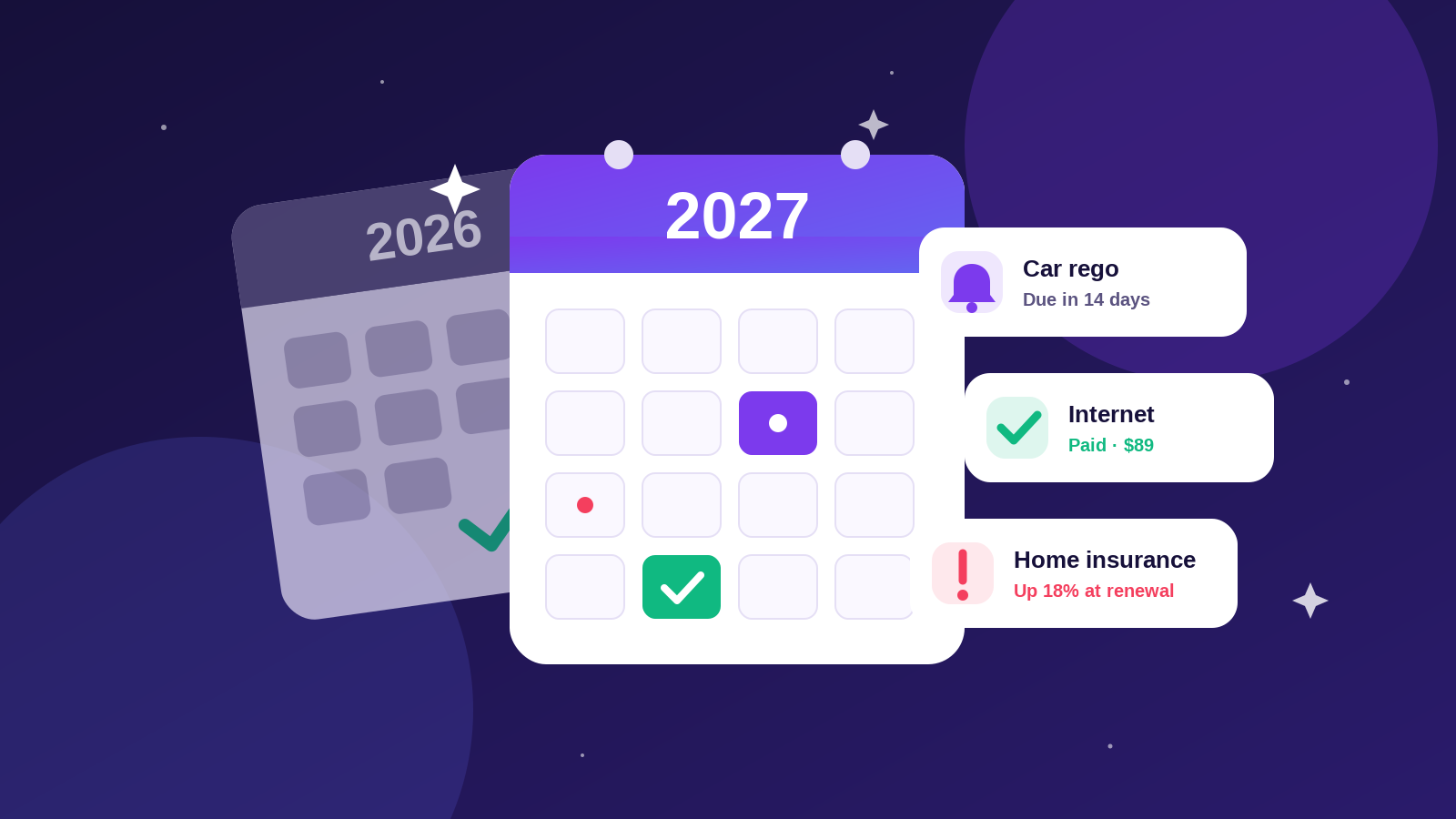
The end of the year is a good time to look back at how your bills actually behaved. For many Australian households, 2026 brought another round of energy price changes, insurance renewals that jumped without much warning, and a growing pile of subscriptions that were easy to start and hard to remember. It also brought better tools: smarter reminders, shared bill lists and planning features that turn big annual bills into small regular amounts.
So what should you expect from bill reminders and budgeting in 2027? Not a robot that pays everything for you. The useful shift is quieter: reminders that come with context, plans that spread the load, and households that can see the same list without sharing one login. Here is what we think matters most, and how to get ready before January.
1. Reminders Will Carry the Bill, Not Just the Date
A basic reminder says something is due on the 14th. That was fine when most bills were predictable. In 2027, the better reminder tells you what the bill is, what you paid last time, whether the amount changed, and where the notice is. That context is what stops a reminder from turning into ten minutes of searching your inbox.
- Expect reminders that show the amount, provider and last payment in one place.
- Expect earlier, staged reminders for annual bills such as rego, insurance and council rates.
- Expect fewer generic to-do style alerts and more reminders tied to an actual bill record.
Comparing tools before the new year? See our bill reminder app comparison for Australia
2. Set-Aside Planning Will Replace Bill Shock
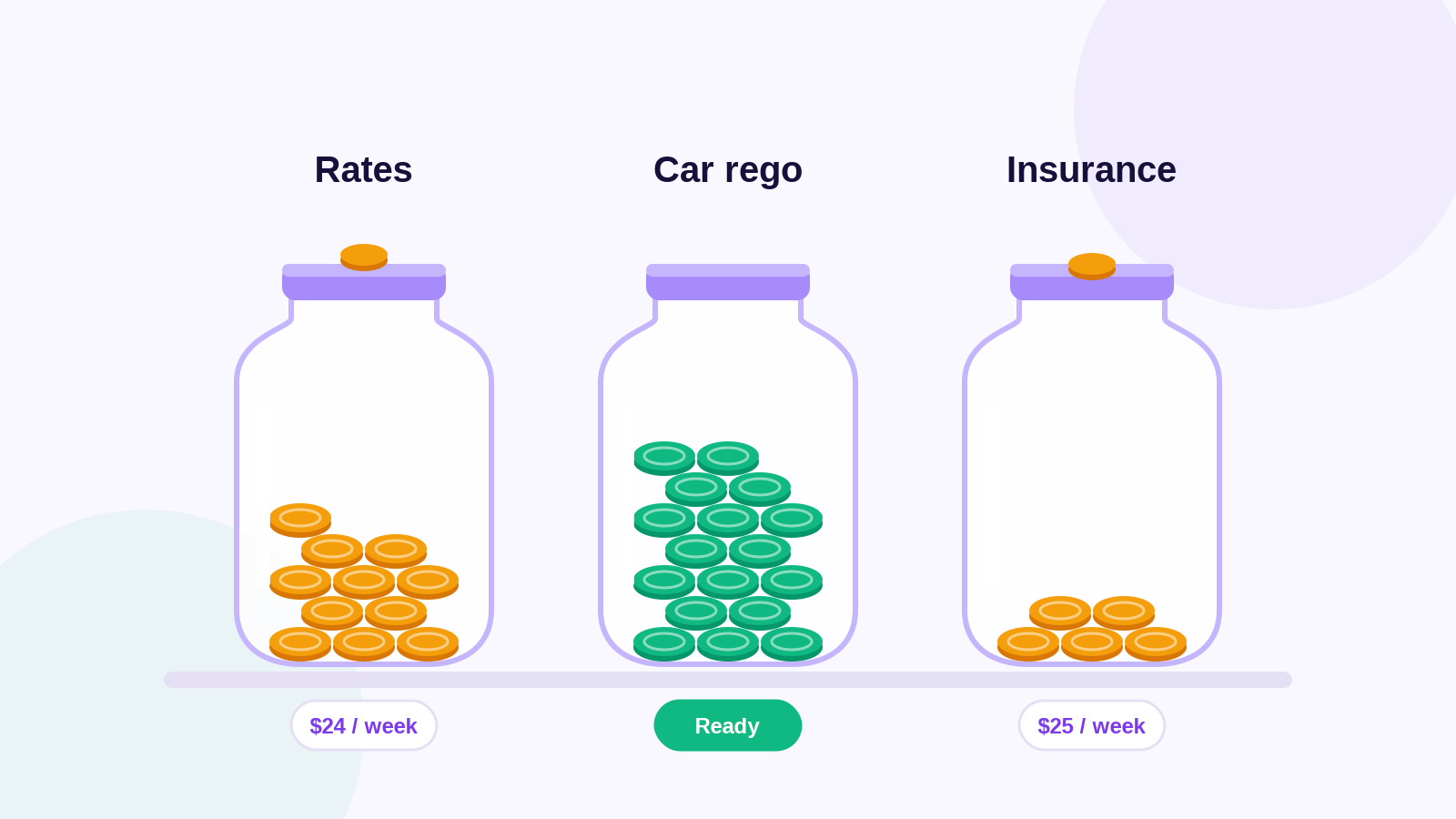
The biggest budgeting trend we expect in 2027 is simple: treating every large bill as something you save toward, not something that surprises you. Divide an annual bill by 52 for a weekly target, or by 26 if you are paid fortnightly. A $1,300 insurance renewal becomes $25 a week. Council rates, car rego and school fees work the same way.
This is not about moving money automatically. It is about knowing how much of each pay is already spoken for, so the bill lands on a plan instead of on your credit card.
Worth noting
Before January, list every bill that arrives once or twice a year. Those are the ones most likely to cause bill shock, and the easiest to plan for.
Want the numbers worked out for you? See how the Bill Planning Coach works
3. Shared Households Will Stop Relying on One Person
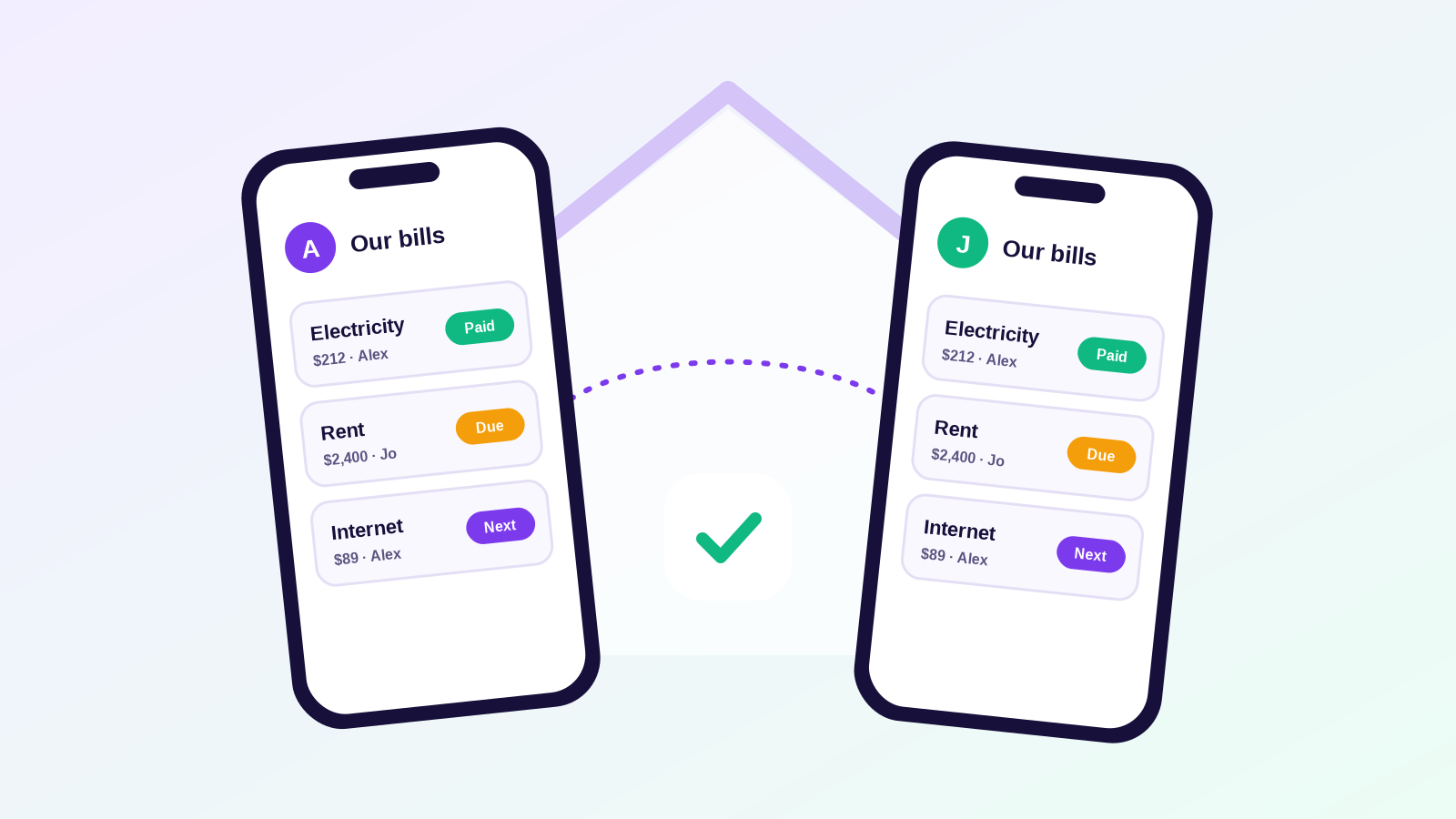
In plenty of homes, one person still carries the bills in their head. When they are sick, away or simply busy, things slip. In 2027, expect more couples, housemates and families to share a single bill list where each bill has an owner, a due date and a paid status that everyone can see.
- Each bill has a clear owner, even when the money comes from a joint account.
- Everyone can see what is paid and what is still waiting.
- Nobody needs to share banking logins to stay informed.
Managing bills as a couple? Read how couples can organise household bills
4. Price-Rise Alerts Will Matter More Than Ever
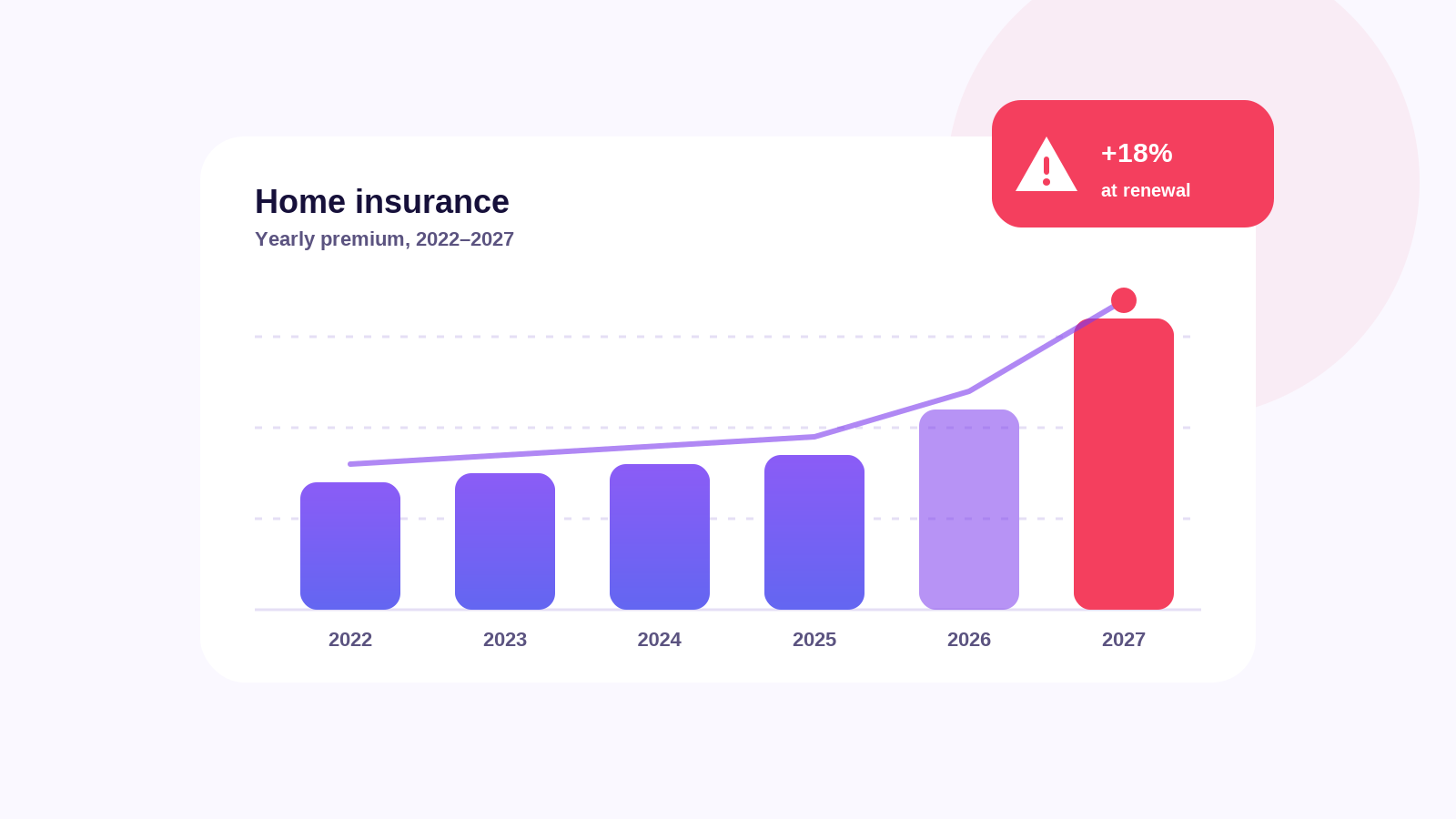
Energy, insurance, internet and streaming prices all moved in 2026, and there is little reason to expect 2027 to be calmer. Annual energy price resets, insurance renewals and subscription price changes can add up quietly when each one is only a few dollars more.
The households that cope best are the ones that keep a history of what each bill cost. When you can compare this renewal with last year, you know whether to accept it, call the provider or switch. Expect bill tools in 2027 to put that comparison front and centre rather than hiding it in a transaction list.
Watching energy costs? Read our guide to electricity price changes
5. Subscriptions Will Get a Proper Review
Free trials that roll into paid plans, annual renewals you forgot about and services you share with family all make subscriptions harder to track than they look. In 2027, expect more people to run a regular subscription check: what is active, what renews next, who uses it and whether it is still worth paying for.
Want a simple way to track subscriptions? Read how to track subscriptions and recurring payments
6. Privacy-First Tools Will Keep Growing
Not everyone wants to connect a bank account to see their bills. With scams and data breaches regularly in the news, expect more people to choose tools that track bills, dates and documents without needing bank logins. You can know your car rego is due in March without giving any app access to your transactions.
Wondering if your banking app already covers this? Compare bank apps with a bill tracker
What Not to Expect in 2027
Some promises sound good but are worth treating with care. No app can guarantee you will never miss a bill, predict every price change or replace a quick monthly check-in. Be cautious of tools that ask for more access than the job needs, or that bundle bill reminders with products they want to sell you.
Watch out
A reminder only helps if the bill is on the list. The most common miss is not a broken reminder, it is a bill nobody added.
Your Five-Minute 2027 Bill Reset
- 1List every recurring bill, including the yearly ones you only think about once.
- 2Add the next due date and last amount paid for each.
- 3Give each bill an owner if you share a household.
- 4Work out a weekly or fortnightly set-aside amount for your three biggest bills.
- 5Set reminders early enough to compare prices before renewals land.
Do this once in December or early January and 2027 starts with a clear picture rather than a pile of surprises. Then a short weekly check-in keeps it that way.
Frequently asked questions
It should remind you early, show the bill amount and history, keep the notice or receipt with the bill, track paid status and let others in the household see the same list.
List your annual and quarterly bills, divide each by the number of pay cycles before it is due, and set that amount aside each pay. Add reminders well before renewals so you have time to compare prices.
No. You can track bills, due dates, amounts and documents without connecting a bank account. Bill Sorted works this way.
Bill Sorted focuses on bills: due dates, reminders, payment status, documents and set-aside planning. It does not move money, give financial advice or categorise all of your spending.